Apr 21, 2026
Best Peptides to Boost Mitochondrial Function: Energy, Metabolism, and Longevity Support
Best Peptides to Boost Mitochondrial Function: Why Mitochondria Matter More Than You Think
If you’ve been searching “best peptides to boost mitochondrial function,” there’s a good chance you’re experiencing something like:
low energy that sleep doesn’t fix
brain fog and mental fatigue
stubborn weight gain or slow fat loss
poor endurance and slow recovery
feeling “burnt out” and depleted
cravings that hit when energy crashes
mood dips tied to fatigue
Most people blame these symptoms on getting older, stress, or “life.” But often, the real issue is deeper:
Your mitochondria may be underperforming.
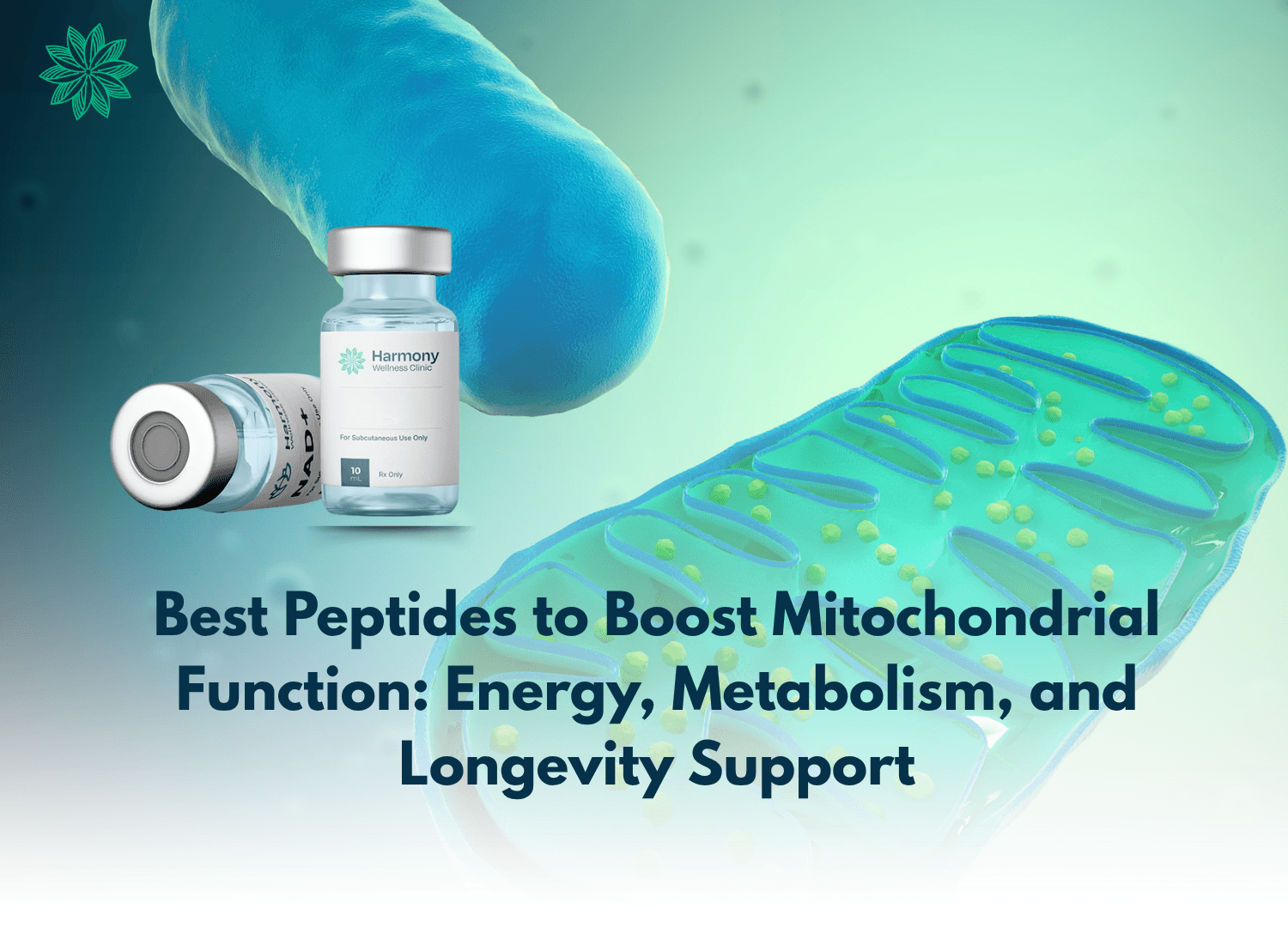
Mitochondria are the energy-producing structures inside your cells. They convert nutrients into ATP, the fuel your body uses to do everything from thinking to moving to healing. When mitochondria are working well, you feel:
energized
resilient
mentally sharp
metabolically efficient
able to recover and adapt
When mitochondria are sluggish, it shows up everywhere.
That’s why mitochondrial health has become one of the biggest focuses in modern wellness, longevity, and metabolic optimization—and why peptides for mitochondrial function are becoming so popular.
In this guide, we’ll cover:
what mitochondria do and why they decline
how to recognize mitochondrial dysfunction patterns
the best peptides to support mitochondrial function and energy
what a mitochondrial peptide stack looks like by goal
what to realistically expect
FAQs and next steps
What Do Mitochondria Do?
Mitochondria are often called the “power plants” of your cells. Their main job is producing energy. But that’s not all.
Healthy mitochondria also influence:
fat metabolism
blood sugar regulation
inflammation balance
hormone signaling
recovery and tissue repair
brain function and mood
sleep quality
Your mitochondria help determine whether your body:
burns fuel efficiently
orstores fuel and struggles to create energy
So when someone says “I can’t lose weight, I’m always tired, and my brain is foggy,” mitochondria are one of the first places we look.
Signs Your Mitochondria May Need Support
You don’t need a “diagnosis” to benefit from mitochondrial support. Many people simply recognize the pattern.
Common signs include:
Energy and stamina
you wake up tired
you hit a wall in the afternoon
caffeine barely works
workouts leave you depleted for days
Metabolism and body composition
stubborn fat gain (especially midsection)
weight loss stalls easily
cravings increase when tired
insulin resistance symptoms like energy crashes after meals
Brain function
brain fog
memory slips
low motivation
mood dips tied to fatigue
Recovery
sore longer after training
injuries heal slowly
inflammation feels “sticky”
If you relate to multiple areas, mitochondrial support can be a missing link.
What Lowers Mitochondrial Function Over Time
Mitochondrial decline is common as we age, but it’s also driven by lifestyle and environment.
Key factors include:
chronic stress and poor sleep
inflammation and oxidative stress
sedentary lifestyle or overtraining without recovery
nutrient deficiencies (especially B vitamins, magnesium, CoQ10, carnitine)
blood sugar instability and insulin resistance
toxin exposure
aging and reduced NAD+ levels
This is why mitochondrial support often improves multiple symptoms at once: energy, fat loss, brain clarity, and resilience.
Best Peptides to Boost Mitochondrial Function
When people look for peptides to support mitochondria, there are a few therapies that consistently come up because they connect directly to energy metabolism pathways.
1) MOTs-C: The Mitochondrial Peptide for Energy and Metabolism
Best for: fatigue, metabolic slowdown, insulin sensitivity support, endurance
Why it’s popular: MOTs-C is one of the most well-known mitochondrial-derived peptides associated with metabolic efficiency.
MOTs-C is often used in wellness protocols because it’s linked to:
improved energy utilization
metabolic regulation
support for insulin sensitivity
improved endurance and stamina
support during fat loss and recomposition goals
Who MOTs-C is best for
people who feel “tired all the time”
adults 35+ noticing slower metabolism
individuals whose fat loss stalls easily
those who want energy support without stimulants
people who want a mitochondrial peptide stack approach
Why it matters for weight loss too
Fat loss depends on energy availability. If your body is energy-deficient at a cellular level, fat loss becomes harder to sustain.
MOTs-C is commonly paired with fat-loss peptides like AOD-9604 or visceral fat-focused peptides like Tesamorelin when the goal is recomposition.
2) NAD+: Cellular Energy and Mitochondrial Support
Best for: burnout, brain fog, low mental energy, longevity support
NAD+ is not always categorized as a peptide, but it belongs in this conversation because it’s a major driver of cellular energy production and mitochondrial function.
NAD+ plays a central role in:
converting nutrients into energy
cellular repair and resilience
healthy aging pathways
metabolic efficiency
Who NAD+ is best for
mental fatigue and brain fog
people who feel “burnt out”
those who want longevity-style cellular support
individuals who want better energy and recovery
NAD+ is commonly paired with MOTs-C in mitochondrial protocols because both support energy metabolism through complementary pathways.
3) Peptide Support That Enhances Mitochondrial Outcomes
While MOTs-C and NAD+ are the most direct mitochondrial-focused options, other peptides can support mitochondrial outcomes indirectly by improving the conditions mitochondria need to function:
CJC-1295/Ipamorelin
Often used to support sleep and recovery, which directly improves mitochondrial recovery. If sleep is poor, mitochondrial function suffers.
KPV
Supports inflammation balance and gut health. Chronic inflammation damages mitochondrial performance over time.
GHK-Cu
Often discussed for tissue regeneration and anti-inflammatory effects, which can support overall cellular resilience.
Mitochondrial Peptide Stack Options by Goal
Here’s the “menu style” breakdown of mitochondrial peptide stack options.
Stack 1: The Core Mitochondrial Stack
Goal: energy, metabolism, cellular efficiency
Common components: MOTs-C + NAD+
Best for people who want:
more daily energy
better stamina
improved metabolic consistency
fewer energy crashes
Stack 2: The Fat Loss Mitochondrial Stack
Goal: fat loss plus energy plus metabolic efficiency
Common components: MOTs-C + AOD-9604
Best for:
stubborn fat
low energy while dieting
plateaus and metabolic slowdown
Stack 3: The Visceral Fat and Metabolic Health Stack
Goal: midsection fat focus, metabolic improvement
Common components: MOTs-C + Tesamorelin
Best for:
belly fat focus
adults noticing metabolic changes with age
recomposition goals
Stack 4: The Burnout Recovery Stack
Goal: brain fog, fatigue, sleep, recovery
Common components: NAD+ + sleep and recovery support (as appropriate)
Best for:
chronic fatigue patterns
poor sleep-driven brain fog
stress-related depletion
How Long Does It Take to See Results?
Mitochondrial support tends to show improvements in layers.
Weeks 1 to 2
improved daily energy consistency
fewer afternoon crashes
improved motivation
early mental clarity improvement for many people
Weeks 3 to 6
improved endurance and workout output
improved fat loss momentum if paired with nutrition and movement
improved sleep quality when recovery peptides are included
Weeks 6 to 12
noticeable metabolic resilience
improved body composition consistency
better overall recovery and resilience
Important: results depend heavily on sleep, protein intake, hydration, and movement habits.
What Doesn’t Work and What People Get Wrong
Mistake 1: Expecting peptides to replace sleep
Mitochondria recover during sleep. If sleep is poor, results will be limited.
Mistake 2: Relying only on caffeine
Caffeine does not fix mitochondrial dysfunction. It masks it.
Mistake 3: Not supporting nutrients
Mitochondria need nutrients. Many people do best with supportive nutrition such as:
magnesium
methylated B vitamins
CoQ10
carnitine
electrolytes
adequate protein
Mistake 4: Overtraining
Overtraining without recovery can worsen mitochondrial performance.
Mistake 5: DIY peptides
Unregulated products can be unsafe and inconsistent. A guided plan is the safer route.
FAQ: Best Peptides to Boost Mitochondrial Function
What is the best peptide for mitochondria?
MOTs-C is one of the most commonly discussed mitochondrial peptides for energy and metabolic health.
Is NAD+ a peptide?
It is typically categorized as a coenzyme, but it is commonly used in mitochondrial support protocols alongside peptides.
Can mitochondrial peptides help with weight loss?
Yes, because fat loss depends on energy production, insulin sensitivity, and metabolic efficiency.
What if my fatigue is mostly stress?
Many fatigue patterns are tied to stress, sleep, and inflammation. A consult helps determine whether mitochondrial support is the main need or one piece of a bigger plan.
Can I do mitochondrial peptide therapy online?
Yes. Telehealth makes it possible to build a personalized plan and have therapy delivered to your home when appropriate.
If you feel like your body is running on low battery, supporting mitochondria is one of the most powerful strategies you can explore.
The best peptides to boost mitochondrial function are usually centered around:
MOTs-C for metabolic efficiency and endurance
NAD+ for cellular energy and longevity support
Many people see improvements not only in energy, but also in:
brain clarity
fat loss consistency
recovery
resilience
overall vitality
Ready to Support Mitochondrial Health and Feel Better
If you want help building a mitochondrial peptide stack based on your goals and symptoms, we can guide you.
Book your consult: harmonywellnessclinic.com
📞 Text: 918-779-0642 for a full price list