Feb 10, 2026
Peptides for Cardiovascular Health: Why American Heart Month Is the Perfect Time to Talk About Heart Support
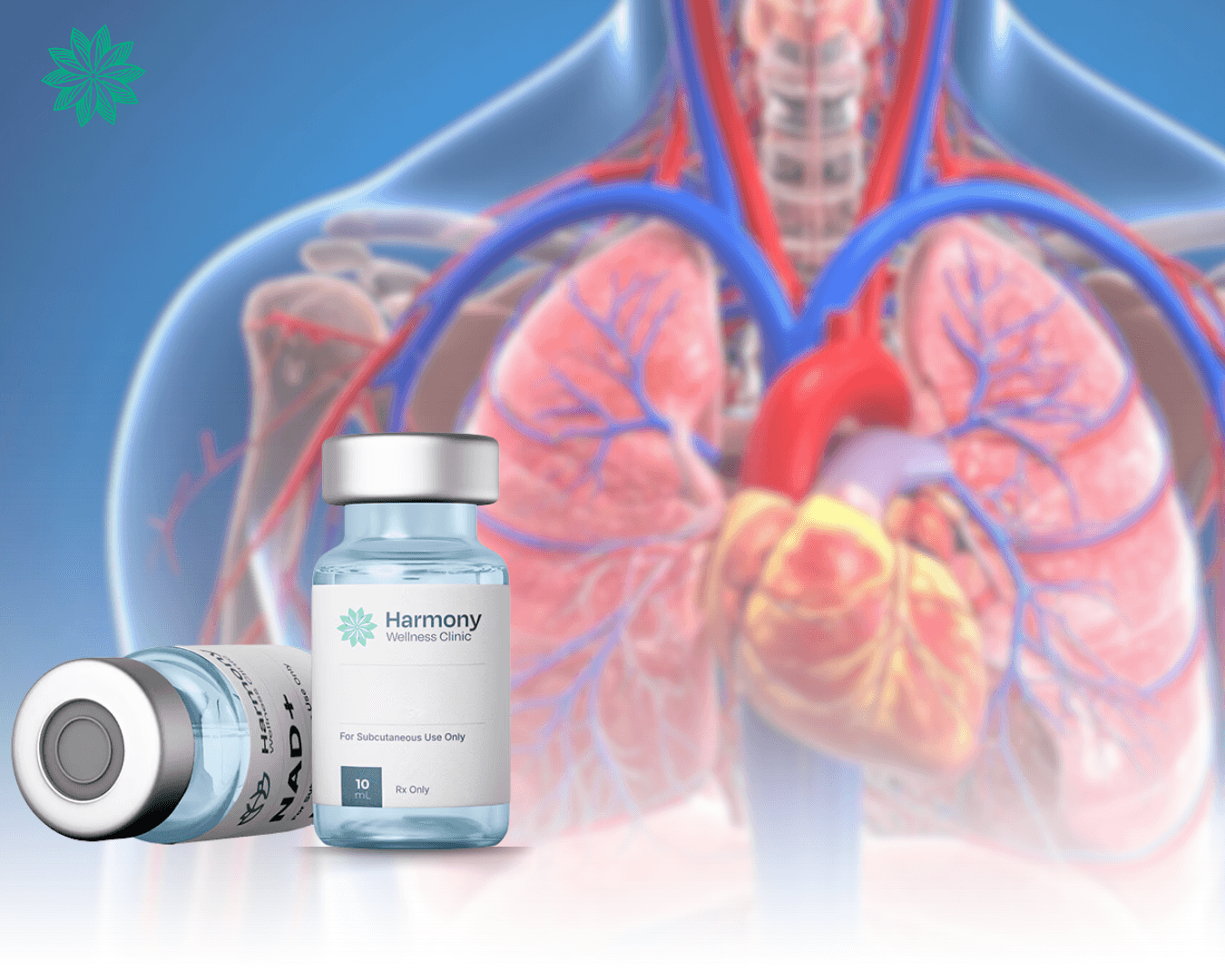
February is American Heart Month, which makes it the perfect time to zoom out and ask a better question than “How’s my cholesterol?”
It’s about the foundation that keeps your heart and blood vessels resilient over decades:
Metabolic health (blood sugar, insulin sensitivity, body composition)
Inflammation levels (chronic inflammation is a major driver of cardiovascular aging)
Endothelial function (the health of the inner lining of your blood vessels)
Mitochondrial energy (how well your cells produce energy and handle oxidative stress)
Recovery + sleep (the body repairs at night; poor sleep increases cardiometabolic risk)
Stress response (chronic stress can shift blood pressure, inflammation, and cravings)
So where do peptides fit in?
Peptides for cardiovascular health are often explored as part of a broader wellness plan because peptides act like cellular messengers, supporting recovery, metabolic efficiency, and healthy aging pathways that influence overall heart health.
Important note: Peptides are not “emergency medicine,” and they are not a replacement for your primary care or cardiology plan. Think of this as a wellness and longevity conversation, supporting the systems that impact heart health over time.
First, What Are Peptides?
Peptides are short chains of amino acids that help your body communicate internally. In simple terms, peptides can help “signal” the body to support functions like:
cellular repair
inflammation balance
metabolic regulation
tissue recovery
energy production
As we age, our natural signaling can decline. Lifestyle stressors (poor sleep, chronic inflammation, nutrient deficiencies, sedentary lifestyle) can also reduce how efficiently we recover and regulate metabolism.
That’s why some people look at peptide therapy as a way to support the body’s own “maintenance mode.”
When we talk about peptide therapy for heart health, what we usually mean is supporting upstream drivers of cardiovascular risk, especially:
metabolic dysfunction
inflammation
oxidative stress
poor recovery/sleep
visceral fat and insulin resistance
Heart Health 101: What Actually Drives Cardiovascular Aging?
Before we talk peptides, let’s set the foundation. The most common drivers of cardiovascular decline tend to be:
1) Metabolic Dysfunction
Blood sugar swings and insulin resistance can contribute to:
higher inflammation
increased triglycerides
visceral fat gain
higher blood pressure over time
2) Chronic Inflammation
Long-term low-grade inflammation can affect:
arterial flexibility
plaque stability
endothelial function
3) Endothelial Dysfunction
The endothelium (inner lining of blood vessels) helps regulate:
blood vessel dilation
circulation
nitric oxide signaling
blood pressure balance
4) Oxidative Stress + Mitochondrial Decline
Your mitochondria power cellular energy. When they’re sluggish, the body tends to show:
fatigue
poor recovery
metabolic slowdown
higher oxidative stress
5) Lifestyle Factors
poor sleep
high stress
low movement
ultra-processed foods
low muscle mass
This matters because the best “heart health plan” isn’t one thing—it’s a system.
So… Do Peptides Help Cardiovascular Health?
Peptides may support cardiovascular health indirectly by improving key areas that influence heart outcomes, like:
metabolic efficiency and insulin sensitivity
body composition and visceral fat reduction
inflammation balance
recovery, sleep quality, and exercise tolerance
mitochondrial energy production
But peptides are not a replacement for:
blood pressure management
cholesterol treatment if clinically needed
emergency cardiac care
lifestyle changes (which still do the heavy lifting)
The best way to think about peptides is:
✅ support tool
✅ personalized wellness strategy
✅ part of a heart-healthy plan
❌ not a shortcut or emergency treatment
Peptides and Support Therapies Commonly Discussed for Heart-Healthy Aging
Below are therapies people often ask about when searching peptides for cardiovascular health—especially those focused on metabolism, inflammation, recovery, and cellular energy.
1) MOTs-C: Metabolism + Cellular Energy Support
MOTs-C is often discussed in metabolic wellness circles because it relates to mitochondrial signaling and metabolic efficiency.
Why that matters for heart health
Metabolic function and cardiovascular health are tightly connected. When metabolism is struggling, people often see:
weight gain around the midsection
poor exercise tolerance
blood sugar spikes
higher inflammation markers
What people typically use MOTs-C for
improved energy and stamina
metabolic support during fat loss
insulin sensitivity support
healthier body composition over time
Bottom line: MOTs-C is often positioned as a “metabolic resilience” peptide—useful when cardiovascular goals overlap with weight loss and energy goals.
2) NAD+ (Not a Peptide, but a Big Part of Heart-Healthy Aging)
You specifically mentioned NAD+ in your hormone-support carousel, and it’s worth including here because many people connect NAD+ to energy and aging.
NAD+ plays a role in:
cellular energy production
oxidative stress management
healthy aging pathways
recovery and fatigue support
Why it matters for cardiovascular wellness
Better cellular energy and lower oxidative stress can support the body’s overall resilience—especially in adults who feel “run down,” have high stress, or are working to improve fitness capacity.
Bottom line: NAD+ is often used to support energy, recovery, and metabolic health—three areas that strongly influence heart health.
3) Recovery/Repair Peptides
Some peptides are commonly discussed for tissue repair and recovery. From a cardiovascular wellness standpoint, why does that matter?
Because the best cardiovascular interventions long-term are:
strength training
walking/cardio conditioning
consistent movement habits
When recovery is poor, people stop exercising. When people stop exercising, metabolic and cardiovascular markers often worsen.
So recovery support = sustainability.
Bottom line: Anything that helps you recover better (sleep, inflammation balance, muscle recovery) can indirectly improve cardiovascular outcomes by keeping you active and consistent.
4) Anti-Inflammatory Support
Chronic inflammation is a major “silent” contributor to cardiovascular aging.
Peptides and wellness therapies are often used in protocols aimed at:
calming systemic inflammation
supporting gut health (the gut-immune link matters)
improving sleep and stress resilience
Bottom line: Heart health and inflammation are deeply connected. If your plan lowers inflammation and improves metabolic health, you’re moving in the right direction.
What “Works” for Heart Health (Whether You Use Peptides or Not)
If your February Heart Month plan is about real results, these pillars matter more than any single therapy:
1) Build a Heart-Healthy Movement Stack
Daily walking (even 15–30 minutes)
Strength training 2–4x/week
Zone 2 cardio (steady pace) if appropriate
If peptides help you recover and stay consistent, that’s where they shine.
2) Eat for Metabolic Stability
A heart-supportive nutrition pattern usually includes:
high protein
high fiber
less ultra-processed food
fewer liquid calories
consistent meal timing
3) Sleep Like You Mean It!
Poor sleep can raise:
cravings
cortisol
blood pressure
inflammation
Aim for consistency more than perfection.
4) Manage Stress
Stress management doesn’t have to be “spa life.” It can be:
morning sunlight
walking breaks
breathwork 3 minutes/day
less caffeine late in the day
realistic boundaries
What to Expect If You Add Peptide Therapy to a Heart-Health Focused Plan
If someone is using peptide therapy as part of cardiovascular wellness goals, the “wins” are often indirect and cumulative.
Weeks 1–2
better energy consistency
improved motivation
better sleep quality (depending on plan)
Weeks 3–6
improved workout consistency
improved recovery
more stable appetite and cravings
gradual body composition improvements
Weeks 6–12
stronger routines
improved stamina
better metabolic momentum
improved confidence and adherence
This is where “heart health” becomes a lifestyle—not a panic response to a lab value.
Who Might Be a Good Candidate for This Approach?
Peptides and related therapies may be worth exploring if you’re:
working on weight loss and metabolic health
dealing with fatigue or low exercise tolerance
trying to reduce inflammation
committed to building sustainable habits
looking for a physician-guided wellness plan (not guesswork)
FAQ: Peptides for Cardiovascular Health
Are peptides a substitute for heart medications?
No. Peptides are a wellness support tool and should never replace prescribed cardiovascular medications without medical guidance.
Can peptide therapy lower blood pressure or cholesterol?
Peptides are not primarily “blood pressure drugs” or “cholesterol drugs.” Any improvements are typically indirect through better metabolic health, reduced inflammation, and better lifestyle consistency.
Is this safe if I have a history of heart issues?
If you have cardiovascular history, you should only explore peptide therapy under licensed medical supervision and with full transparency about your health status, meds, and labs.
What’s the safest way to start?
Start with a consult. A real plan should include:
health history review
goal mapping
risk screening
a personalized protocol (not a one-size-fits-all stack)
Can I do this through telehealth?
Yes. Harmony Wellness Clinic offers telehealth options where available, with ongoing support and follow-ups.
American Heart Month Takeaway: Anti-Aging and Heart Health Are the Same Conversation
If you want to feel better, move better, and age better, your heart health plan should support:
metabolic stability
energy production
inflammation balance
recovery and sleep
consistency with movement
Peptides can be a smart add-on for the right person, especially when the goal is heart-healthy aging, not a quick fix.
Ready to Build a Heart-Healthy Plan?
If you’re exploring peptides for cardiovascular health as part of your wellness plan, we’ll help you do it safely and strategically.
🌐 Book a consult: harmonywellnessclinic.com
📞 Text 918-779-0642 for a full price list.


